Application support for production weldingGlobal service · English
Application fieldbook

Kemppi Applications Turn Production Constraints into Testable Setups

This page follows the workpiece through four practical environments. Each story identifies the starting condition, the process decision and the evidence that must exist before a recommendation moves to the shop floor.

Review the field stories
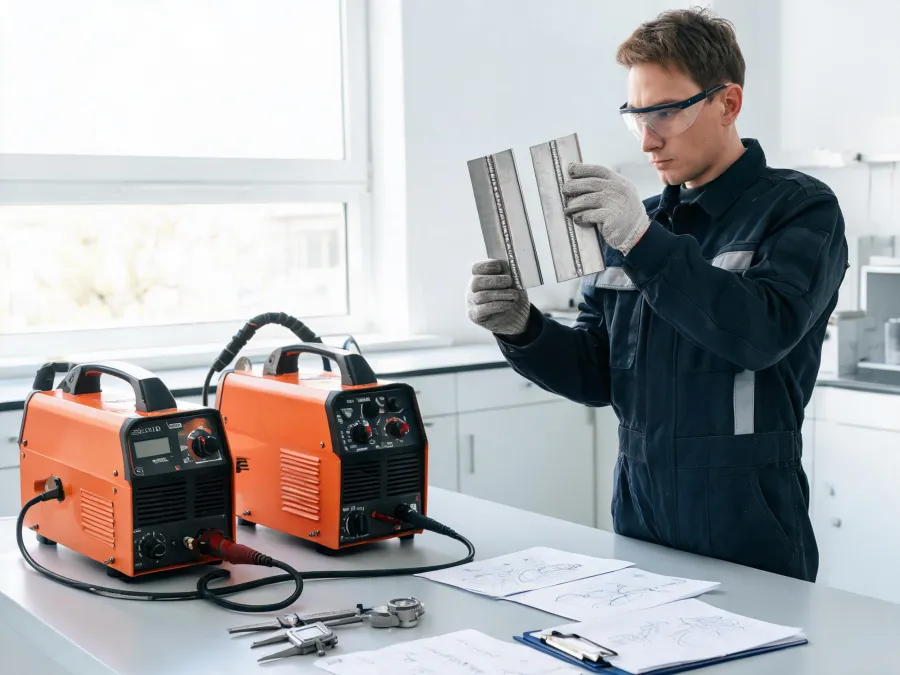
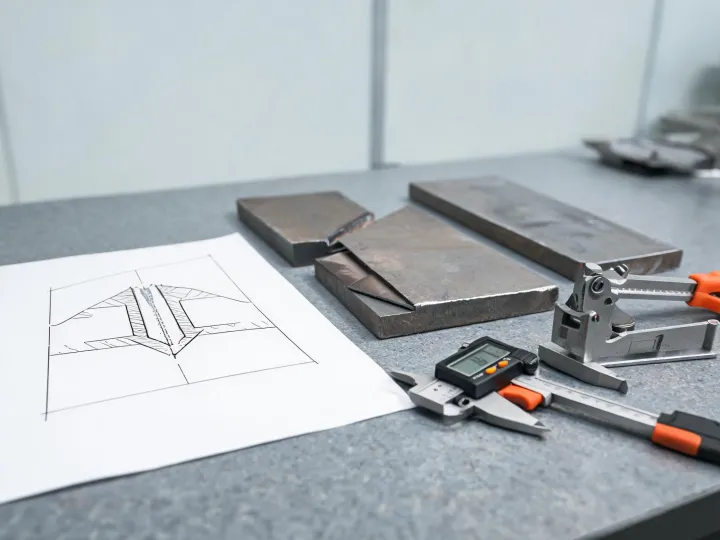
Welding application engineer comparing joint samples
From brief to evidence

One machine class does not create one application answer

Fabrication story

A mixed-thickness MIG bay

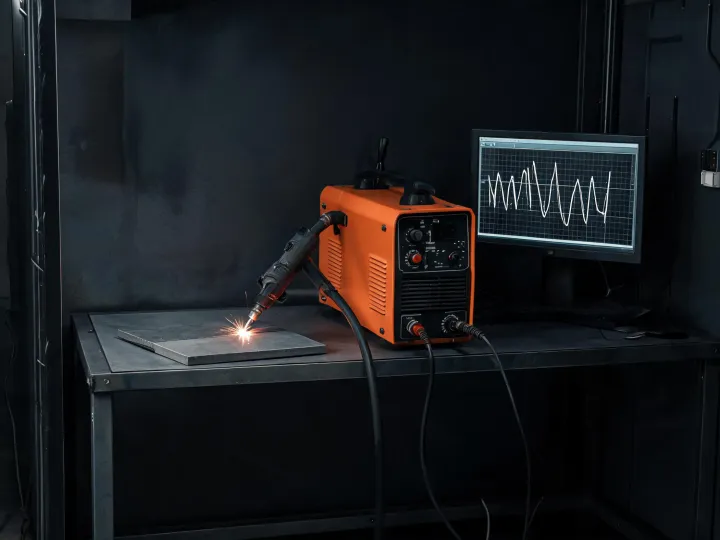
The background is a job shop moving between short carbon-steel runs, long fillets and occasional stainless work. The challenge is not peak amperage; it is repeatable changeover while cable length, contact-tip condition and operator access vary. The process review separates transfer modes, records wire and gas combinations, and brackets the joint on representative coupons. The result is a setup matrix with explicit changeover checks rather than a single universal setting.

“A parameter is useful only when the feeder, torch, shielding and joint preparation that produced it are also recorded.”
Transport story

Pulse MIG on an aluminum frame

The frame uses thin and medium sections in a fixture that limits torch angle. Trials compare feeding stability, start behavior, travel speed and heat distribution at realistic gaps. Accepted samples are reviewed for profile, distortion and downstream finishing. The handover identifies where pulse control helps and where surface preparation or fixture variation still governs the result.

“Digital control can widen a working window, but it cannot correct contaminated material or an uncontrolled joint gap.”
Process equipment story

TIG root quality on stainless pipe

Here the application route begins with cleanliness, bevel, root opening, purge arrangement and acceptance criteria. Current control is tested together with torch access and shielding coverage. Visual appearance is supplemented by the inspection method chosen for the procedure. The output is a bounded setup with purge and fit-up checkpoints, not a promise that one panel value applies to every diameter and position.

“The evidence route belongs in the brief before the first coupon is welded.”
Application notes

Questions that expose the real constraint

Use these prompts before comparing machines. They turn broad product requests into a reviewable production brief and make technical limitations visible early.

Compare the stated duty-cycle basis with ambient temperature, ventilation, incoming power, lead length and actual arc-on time. A nameplate maximum is not the same as continuous production capacity.

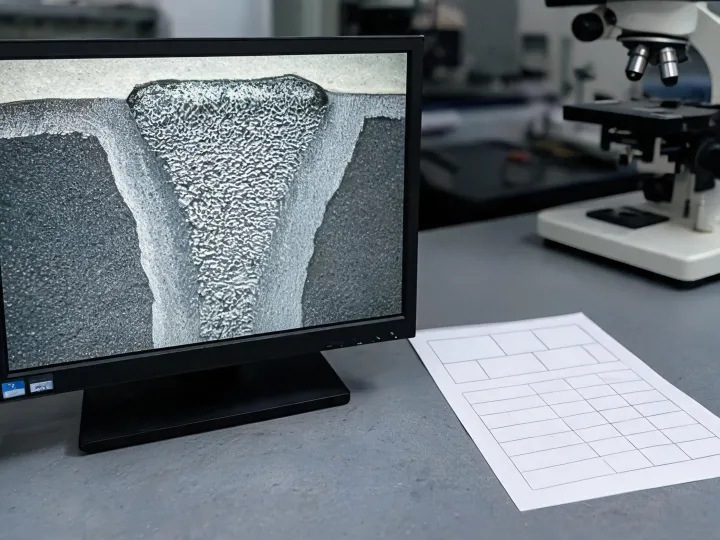
Use the acceptance route defined by the application: visual criteria, dimensional checks, macro examination, bend testing or customer-specified NDT. Record failed settings because they help define the process boundary.

Part location, fixture repeatability, torch cleaning, contact-tip wear, path programming, extraction and change control remain necessary. Automation repeats both good conditions and uncontrolled conditions.

Build an application record around your joint

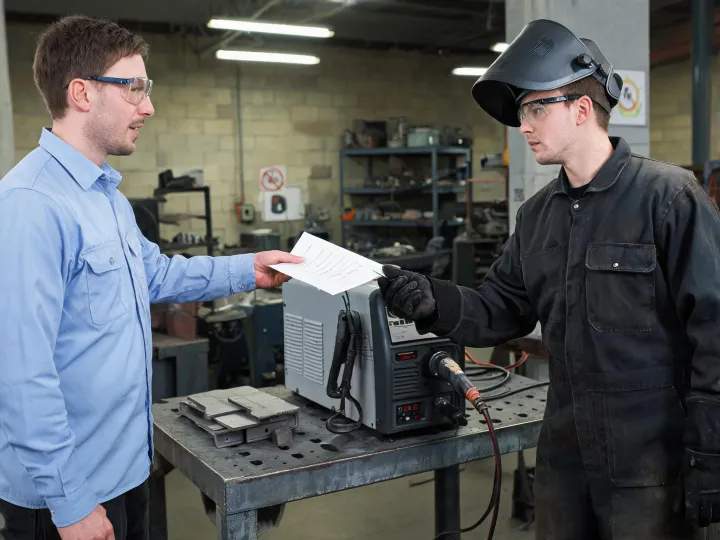
Provide the workpiece, thickness range, production target, input power and acceptance criteria. Kemppi can use those inputs to structure a representative trial and state what the result does—and does not—demonstrate.

  • Material and joint geometry
  • Current failure mode or quality target
  • Planned inspection and release authority
Please enter your name.
Please enter a valid email.
Please describe the application.